Arlington, TX & Greater DFW [email protected]
Commercial Pavement Maintenance Since 1979 (817) 467-7003
Our Process

From Pavement Assessment To Finished Surface.

A successful commercial pavement project depends on more than the final application. Midway plans each project around surface conditions, property access, preparation, sequencing and the work being performed.

Planning Comes First

Every Parking Lot Has A Different Starting Point.

No two commercial pavement projects are exactly alike. Traffic patterns, pavement condition, access requirements, existing markings and the services being performed all influence how the work should be approached.

That is why Midway’s process begins with the property itself. We evaluate what needs attention, determine the appropriate sequence of work and coordinate the project around how the site needs to function.

Discuss Your Property
Commercial parking lot pavement
01
Surface Condition Existing wear, cracking and pavement condition.
02
Property Access Entrances, traffic flow and areas that must remain open.
03
Project Scope Sealcoating, crack sealing, striping or combined work.
04
Sequencing Determine the most practical order of operations.
The Midway Process

Six Steps To A Finished Commercial Surface.

Each stage supports the next. Proper evaluation and preparation help create the conditions needed for the pavement work itself, while careful sequencing helps reduce disruption to the property.

01
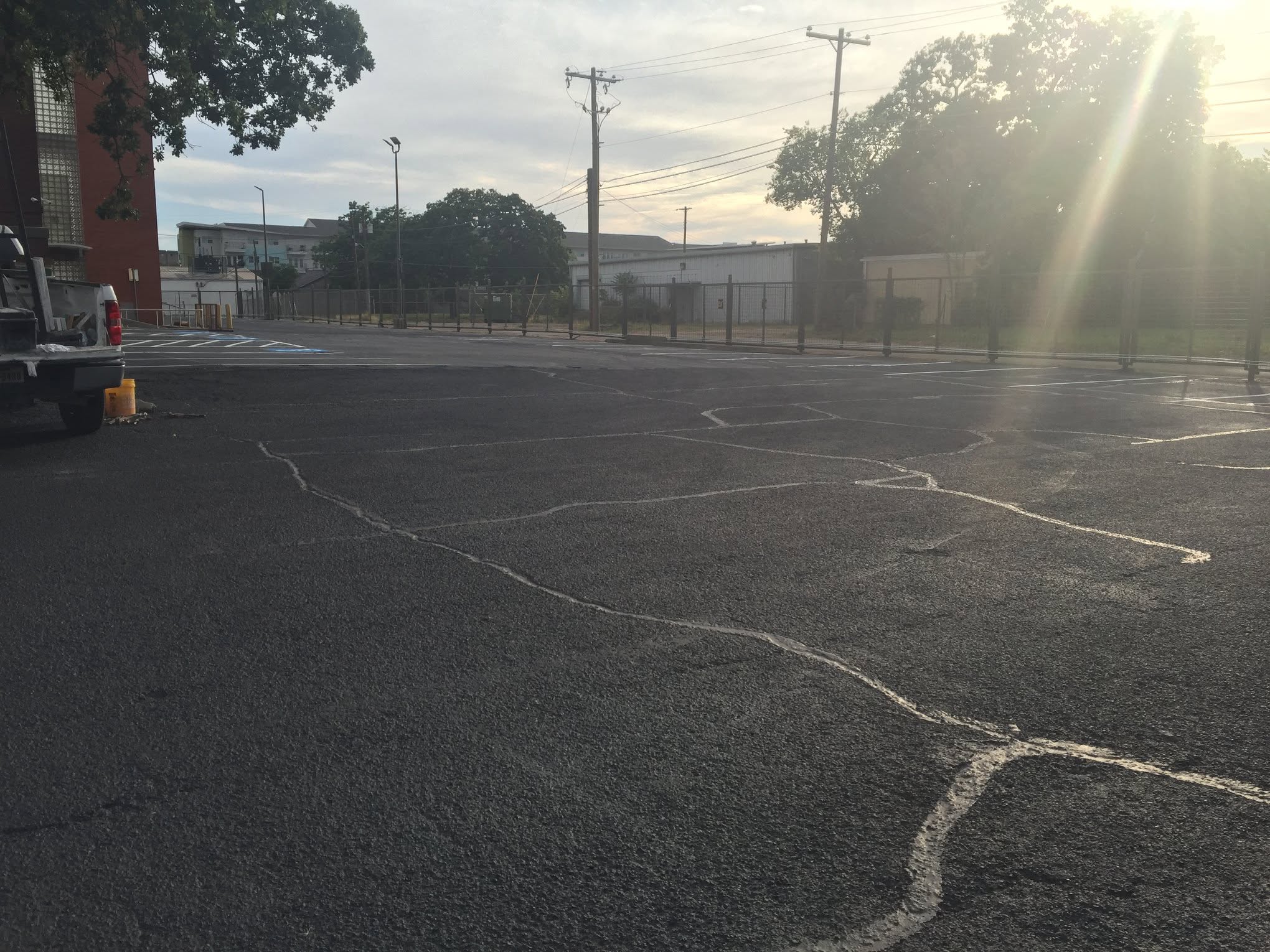
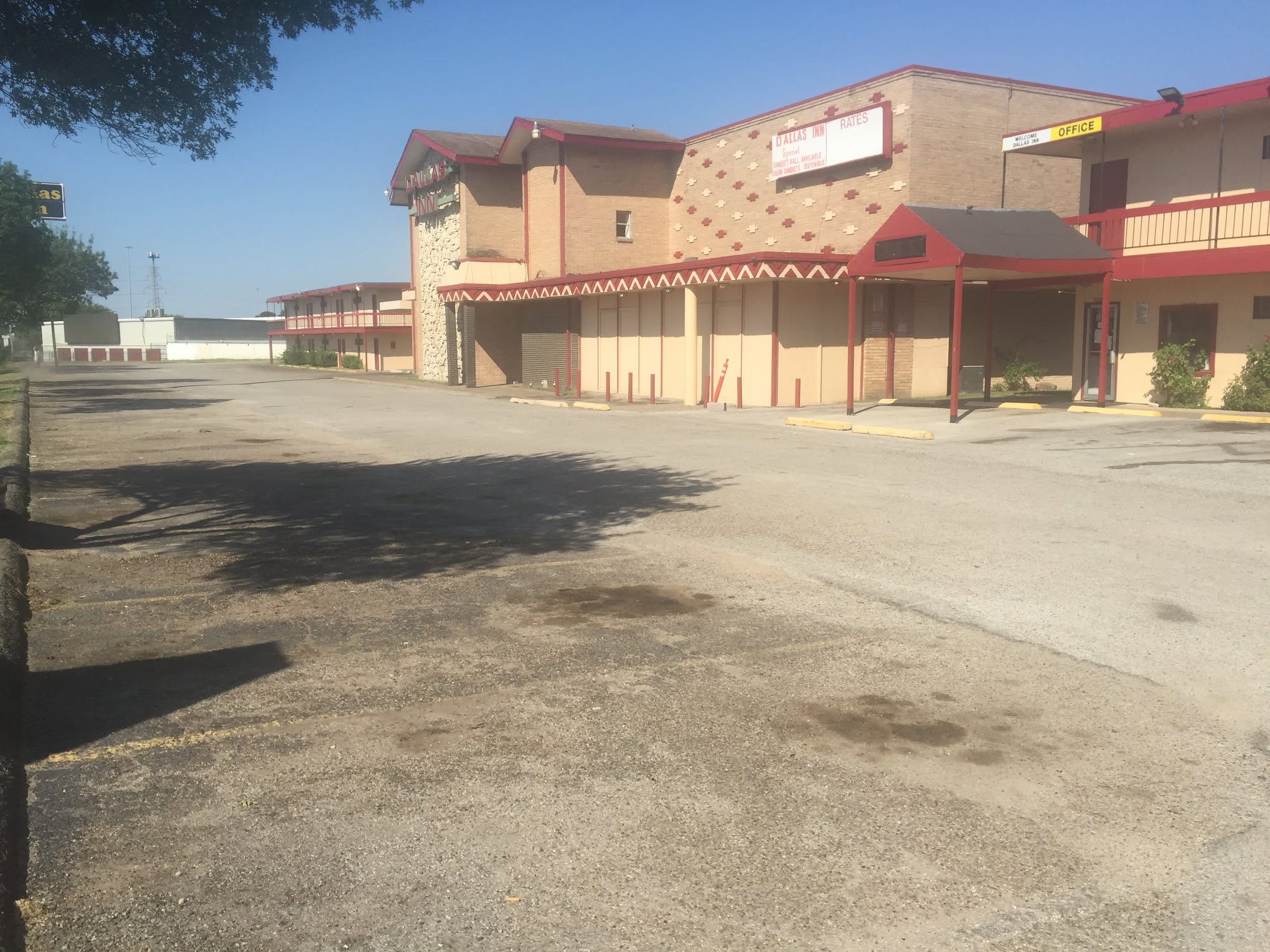
Commercial pavement before maintenance
Evaluate

Property & Pavement Assessment

We start by reviewing the visible condition of the pavement and understanding what the property needs from the project.

  • Review existing surface condition
  • Identify cracks and worn areas
  • Review existing striping and traffic flow
  • Discuss access and property operations
02
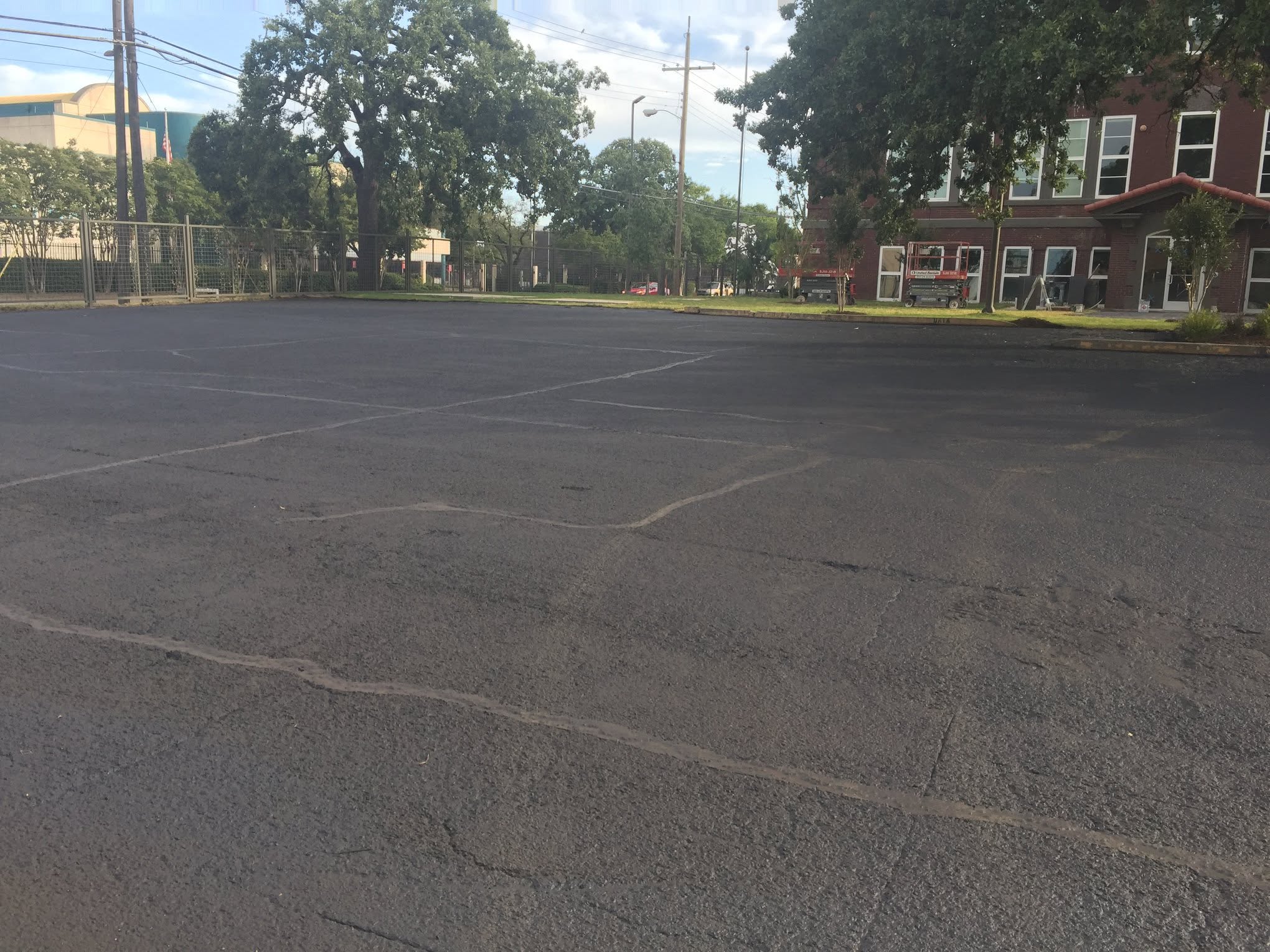
Commercial pavement preparation
Plan

Scope & Project Sequencing

Once the needs of the pavement are understood, the work can be organized into an appropriate sequence based on the services being performed.

  • Confirm pavement services
  • Determine project sequence
  • Plan closures and access
  • Coordinate phased work where appropriate
03
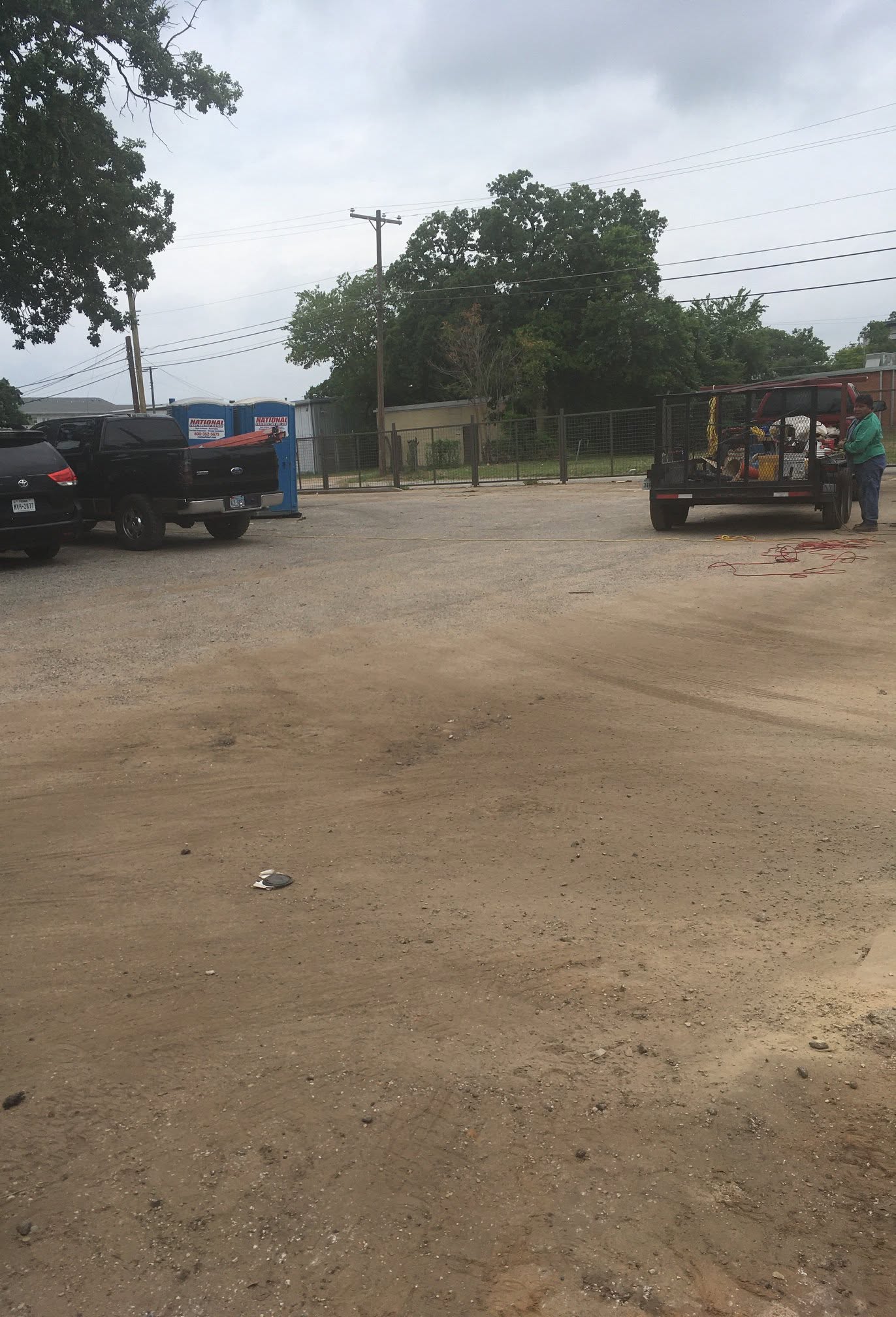
Pavement being prepared for maintenance
Prepare

Surface Preparation

The work area needs to be ready before pavement treatments are applied. Preparation varies depending on the selected service and existing surface condition.

  • Clear scheduled work areas
  • Remove loose debris where needed
  • Prepare cracks or problem areas
  • Confirm surface is ready for treatment
04
Commercial sealcoating application
Perform

Pavement Service Application

The approved pavement services are completed according to the project scope, whether that involves sealcoating, crack sealing, striping or coordinated maintenance. As a general maintenance guideline, we recommend having asphalt sealcoated every three to four years.

  • Complete scheduled pavement work
  • Maintain organized work zones
  • Follow planned service sequence
  • Coordinate multiple services when applicable
05
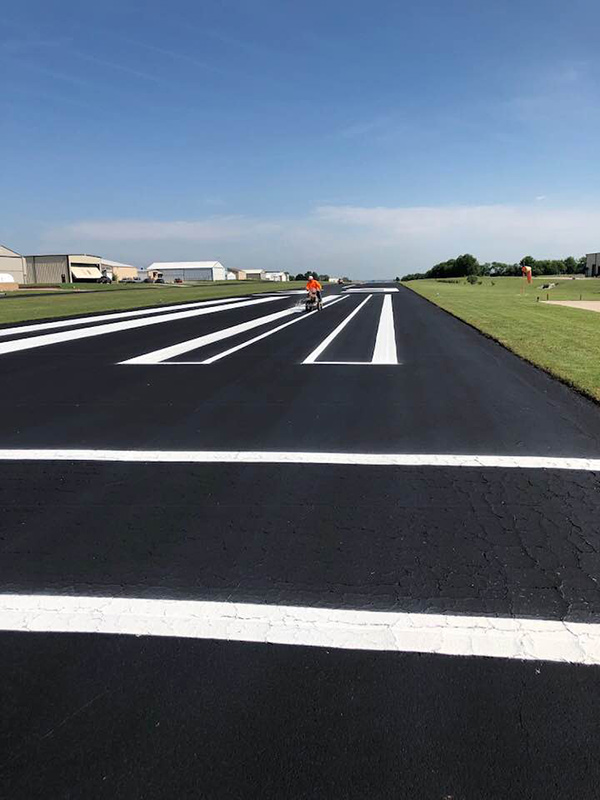
Fresh professional pavement striping
Define

Striping & Final Markings

When striping is part of the project, fresh markings provide the final visual organization of the paved surface after preceding work has been completed.

  • Parking stall markings
  • Directional arrows
  • Traffic-flow markings
  • Other approved pavement graphics
06
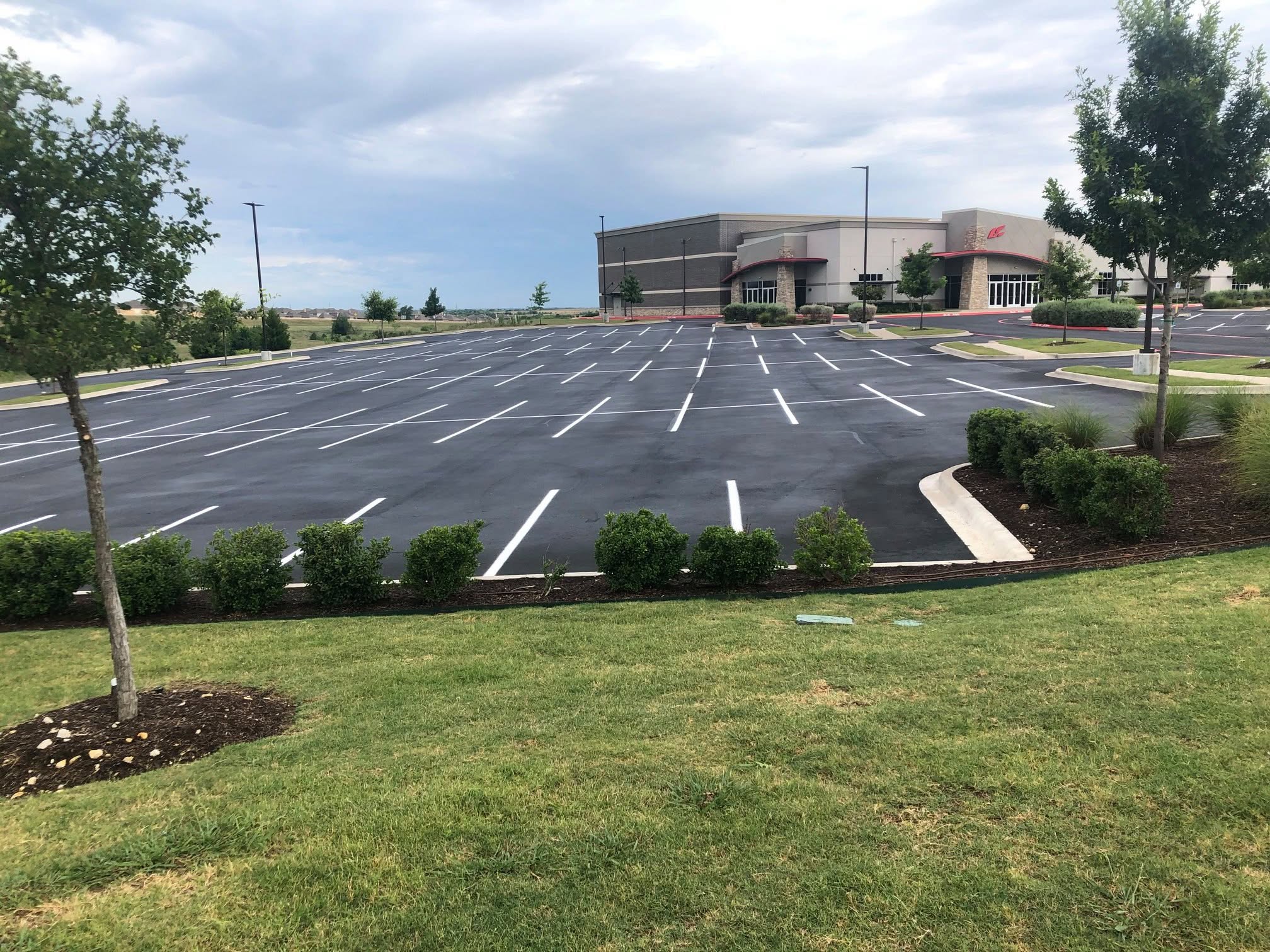
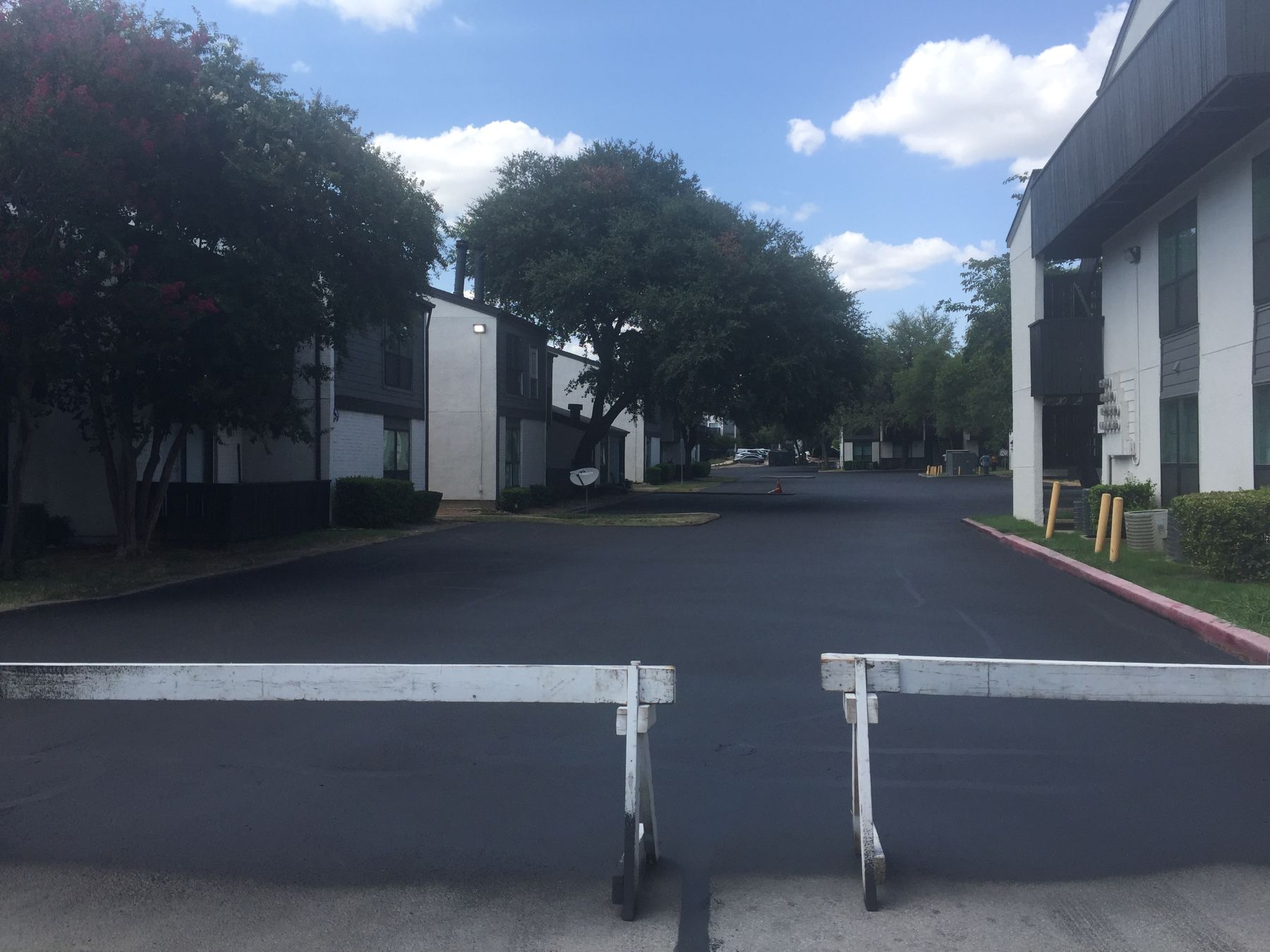
Completed commercial pavement project
Complete

Final Review & Reopening

Once work is complete and materials have had the appropriate time to cure, the finished areas can be reviewed and returned to normal use.

  • Review completed work areas
  • Confirm pavement markings
  • Allow appropriate curing time
  • Coordinate reopening to traffic
Preparing For Your Project

Before. During. After.

Property managers can help keep commercial pavement projects moving smoothly by planning for temporary closures and communicating project timing before work begins.

01

Before Work

Prepare the property and communicate upcoming work to the people who use the site.

  • Move vehicles from scheduled areas
  • Notify tenants or employees
  • Identify critical access points
  • Confirm project timing
03

After Work

Reopen treated areas only after the project team confirms that the pavement is ready for normal use.

  • Observe recommended curing time
  • Review completed markings
  • Remove temporary closure controls
  • Return areas to normal traffic
Commercial Project Coordination

Keep The Property Moving While The Work Gets Done.

Commercial properties cannot always shut down an entire parking area at once. Depending on the scope and layout, projects may be organized in sections to preserve practical access while work progresses.

01 Phased Work Areas

Divide larger projects into practical sections when property operations require continued access.

02 Traffic Planning

Consider entrances, exits and vehicle flow before active work areas are closed.

03 Tenant Communication

Give tenants, employees and visitors advance notice when parking or access will temporarily change.

04 Reopening Sequence

Return completed areas to service as project conditions and curing requirements allow.

Plan Your Project

Let’s Build A Plan For Your Pavement.

Tell us about your property, the condition of the pavement and the services you’re considering. Midway Sealcoating serves commercial properties throughout Arlington and the greater Dallas–Fort Worth area.

Commercial Pavement Services Sealcoating • Crack Sealing • Striping
Prefer To Call? (817) 467-7003

Are you a New or Existing Customer?